Dog Pulling on Leash? Let’s Fix It.
Real-world leash training for Chicago dogs who pull, lunge, or ignore you on walks.
We build calm, reliable leash behavior that actually holds up outside.
When Walks Feel Out of Control
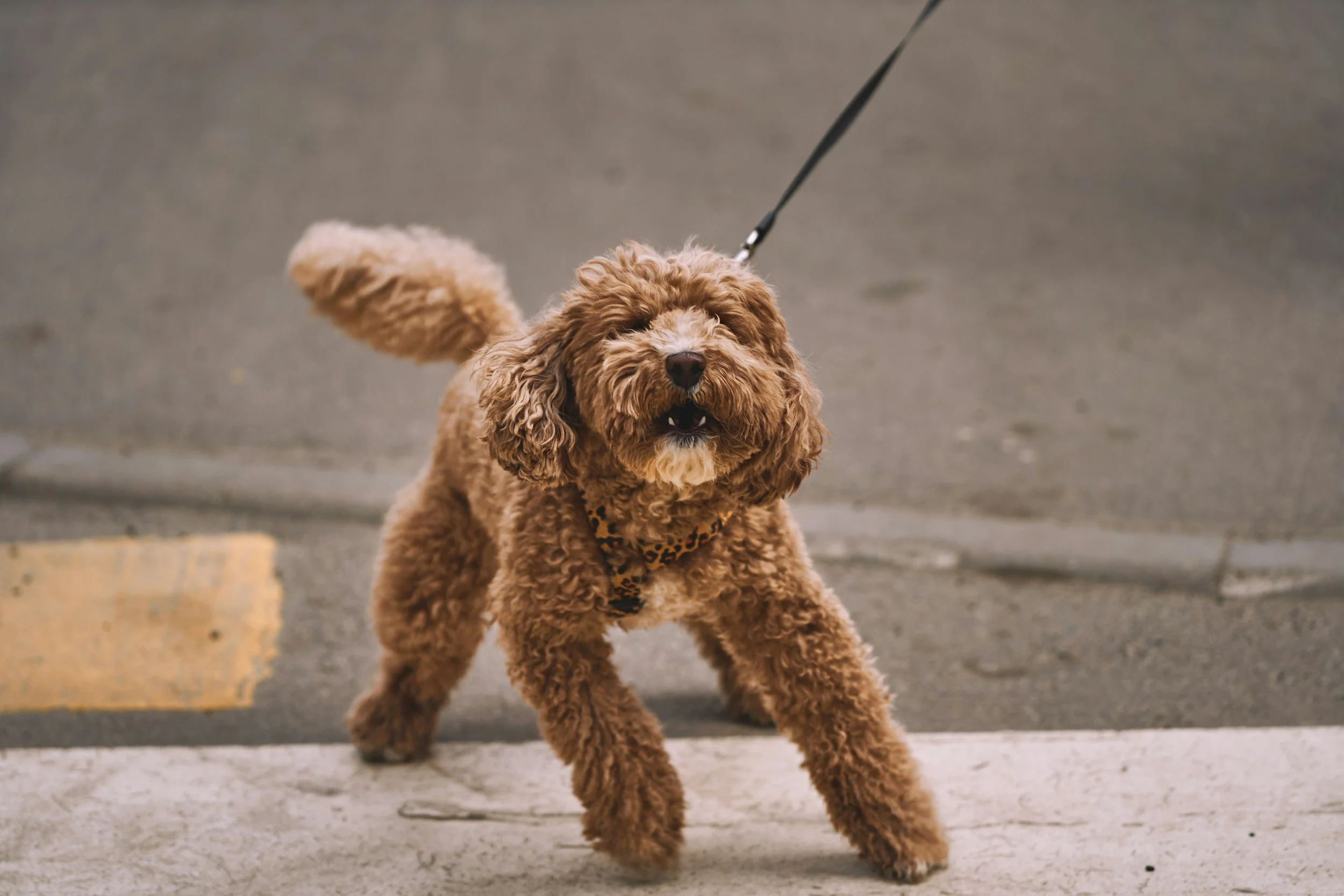
For a lot of dogs, it doesn’t show up as one big issue, it’s a bunch of small moments that start to add up:
the leash goes tight immediately and stays that way
your dog pulls toward anything that catches their attention
they get locked in and it’s hard to bring them back to you
you’re constantly managing instead of just walking
you avoid certain routes, times, or situations altogether
you feel yourself getting tense before you even leave the house
what works inside completely disappears outside
It’s a lot to handle, and it can make something that should feel easy start to feel frustrating and overwhelming.
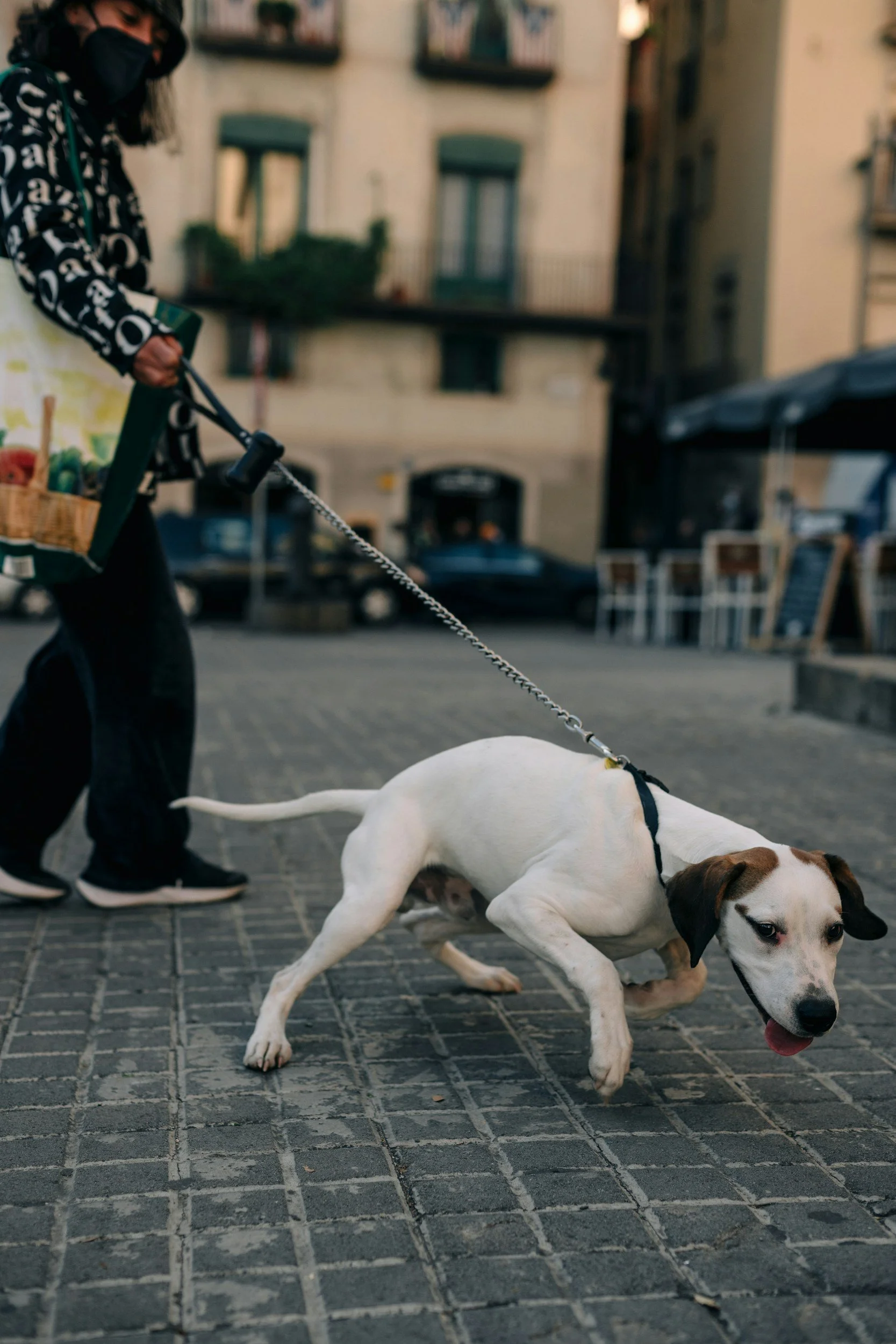
Why Walks Fall Apart Outside
Most dogs aren’t trying to ignore you on walks.
They just haven’t been clearly shown how to stay connected once the environment gets busy.
Outside, there’s more to look at, more to smell, more to react to, and it all competes for your dog’s attention.
So they do what makes sense to them:
they move toward what they want, they follow what’s interesting, and the leash tightens along the way.
Over time, that pattern just becomes the default.
Once your dog understands how to move through those moments with you, things start to feel a lot more manageable.
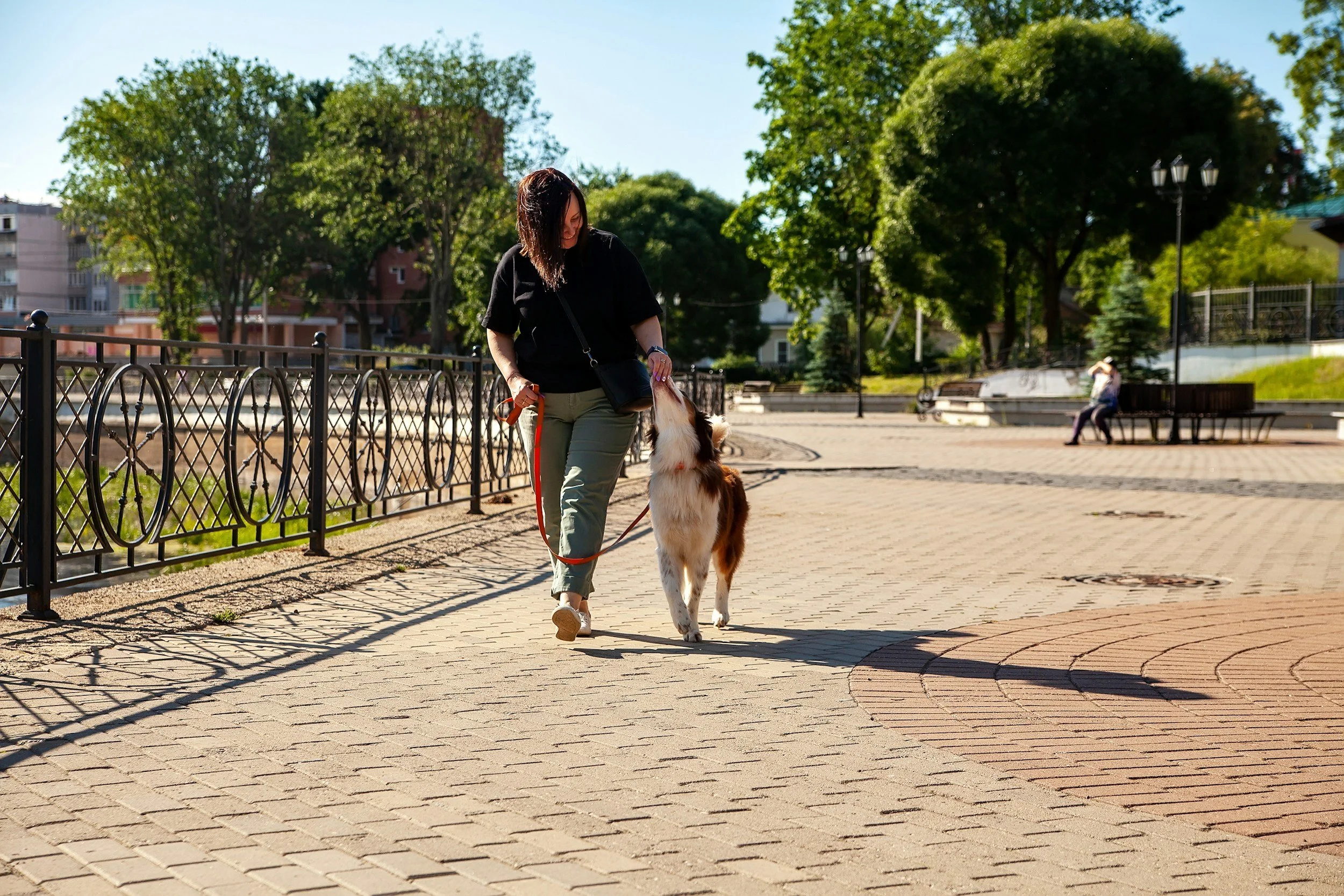
Training that actually holds up outside
Leash pulling doesn’t change just because a dog “knows what to do.”
It changes when they can stay connected to you, even when there’s something more interesting happening around them.
That’s where most training falls apart.
We focus on building that skill where it matters, not just in a controlled setting, but in the environments your dog actually walks in.
Learning how to stay with you even when there are distractions
Practicing calm, consistent leash movement, not just stopping pulling
Building engagement so your dog checks in instead of tuning out
Repeating it enough that it becomes a habit, not a one-time success
Gradually working through real-world situations your dog struggles with
That’s how walks start to feel different, not just better for a few days, but reliably better over time.
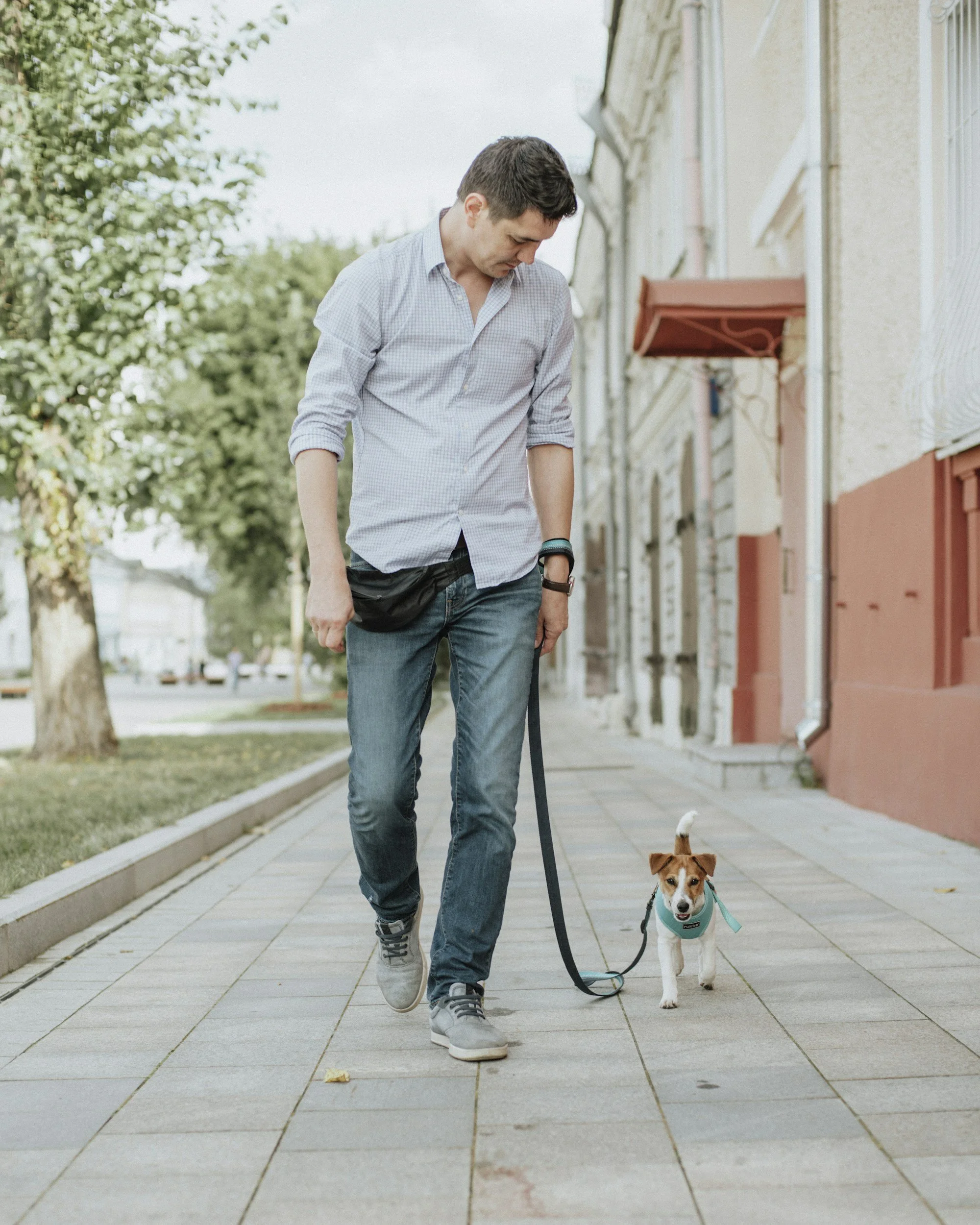
Built for real walks in Chicago
Most dogs don’t struggle in quiet, controlled spaces, they struggle on actual walks.
Busy sidewalks. Other dogs. People. Noise. Movement.
That’s why we don’t keep training stuck in one environment.
Your dog learns how to walk with you in the same kinds of places you deal with every day, so the behavior actually transfers.
Training happens in real Chicago neighborhoods, not just indoors
Each program is built around your dog, not a one-size-fits-all plan
We adjust based on what your dog actually needs as they progress
You’re not left on your own once training ends, there are options to keep building, maintaining, and supporting your dog over time
Because real progress isn’t just about getting better, it’s about staying better.
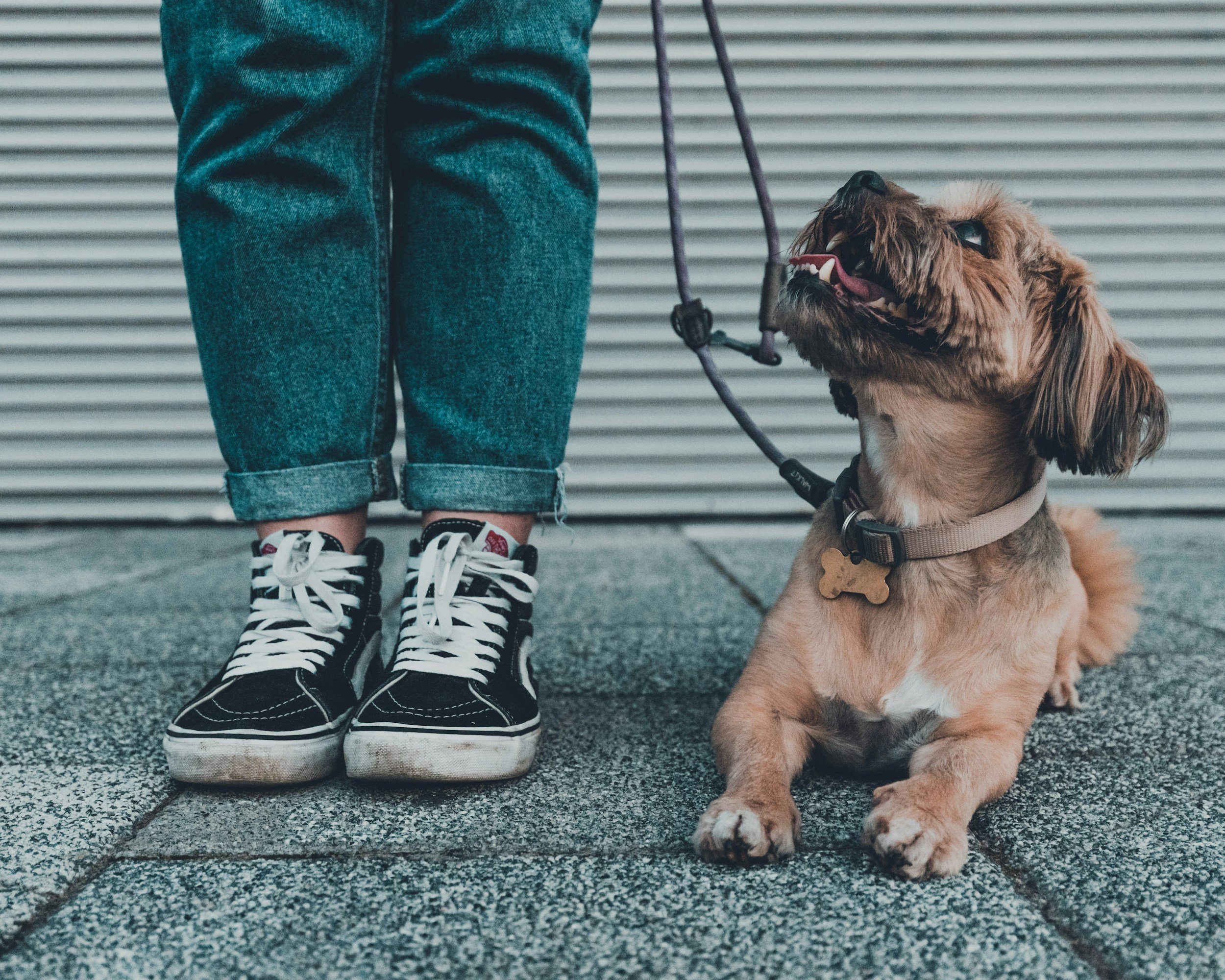
Let’s figure out the right starting point
Every dog is a little different, and leash pulling doesn’t always show up the same way.
Some dogs need structure and repetition.
Some need help staying connected outside.
Some need a full reset around distractions.
We’ll talk through what’s been going on and help you choose the best way to move forward.
What walks currently feel like for you and your dog
What you’ve already tried (and what hasn’t worked)
What you want walks to feel like instead
The level of support that will actually get you there
Frequently Asked Questions
Still have questions? Take a look at the FAQ or reach out anytime. If you’re feeling ready to start a conversation go ahead and send us a message below.
-
Yes—but more importantly, we teach your dog how to walk with you in a way that makes sense to them.
Pulling is usually a habit, not a personality trait. Once your dog understands how to stay connected to you, especially around distractions, you start to see real, consistent change.
-
It depends on the dog, but most clients start noticing a shift within the first couple of weeks.
The bigger goal isn’t just quick improvement, it’s building behavior that actually holds up over time, even outside and around distractions.
-
Yes—those are some of the most common cases we work with.
Leash pulling is often tied to overexcitement, frustration, or reactivity. We focus on helping your dog stay more neutral, more connected, and more manageable in those situations.
-
That’s extremely common.
Most training works in controlled settings, but falls apart when the environment gets more challenging.
We focus on building skills where they actually matter—so the results transfer to real walks. -
We use what’s appropriate for the dog in front of us.
Some dogs need more structure. Some need more engagement. Most need a combination.
The goal isn’t to rely on any one tool—it’s to build clear, consistent behavior that your dog understands
-
We’re based in Chicago and work with dogs across the city, including Old Irving Park, Portage Park, Jefferson Park, Lincoln Park, Roscoe Village and surrounding neighborhoods.
Training also takes place in real-world environments, so your dog learns how to walk calmly where it actually matters.
-
Not necessarily.
Most people start with a quick call or message, and we go from there.
If an in-person evaluation makes sense, we can absolutely set that up—but it’s not required to get started. -
That’s the goal.
We focus on building behavior that holds up long-term, not just short-term fixes.
And if you want continued support, there are options to keep reinforcing and maintaining that progress over time.
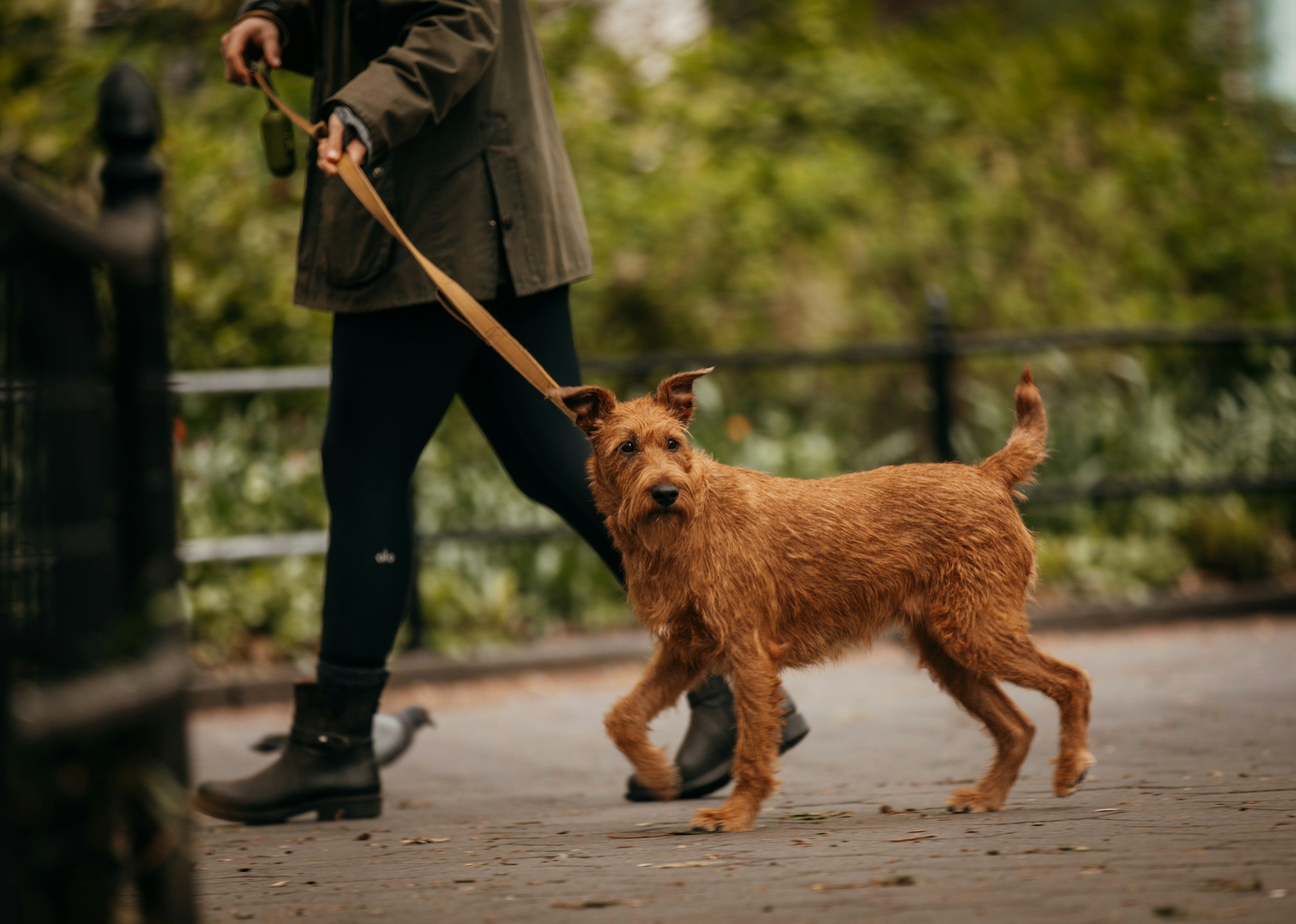
We can’t wait to meet your dog!