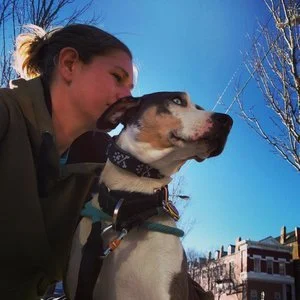
Your Dog in Winter
Winter Dog Care Tips from Your Chicago Dog Trainer
Chicago’s winters are beautiful … and can be brutal. While some dogs love the snow, cold temps, slush, salt, and ice can make winter a little tougher on them. At Canine Sports Dog Training, we train dogs year-round, so we see firsthand how winter weather affects everything from daily walks to focus and behavior.
Whether you walk your dog yourself or rely on a dog walker during the week, these winter dog care tips can help keep your dog safe, comfortable, and still making progress with their training.
Winter Dog Care Starts with Protecting Your Dog’s Paws
Snow is fun. Sidewalk salt? Not so much. Salt and chemical de-icers used throughout Chicago can irritate paw pads and cause dryness or cracking. After walks, rinse your dog’s feet in shallow lukewarm water to remove salt and slush. Paw pads play a role in temperature regulation, so keeping them clean and healthy really matters in cold weather.
Veterinary organizations like the American Veterinary Medical Association also emphasize protecting dogs from cold exposure and chemical de-icers as part of overall winter dog care. You can read more about winter dog care safety recommendations from veterinarians through the AVMA.
If your dog won’t tolerate boots, regular paw checks and a paw balm can help protect pads all winter long.
Not All Dogs Handle Cold the Same Way
Some dogs are built for winter — others are absolutely not. Smaller dogs, short-haired breeds, puppies, senior dogs, and dogs with low body fat tend to get cold faster. Shivering, lifting paws, slowing down, or refusing to move are signs it’s time to head inside.
A well-fitted coat can make winter walks more comfortable and help your dog safely enjoy outdoor time while continuing their dog training in Chicago.
Keep Walks Short, Safe, and Intentional
Winter walks don’t need to be long to be productive. Short, focused walks are perfect for working on leash skills, engagement, and focus — especially when sidewalks are icy. Ice can be just as dangerous as extreme cold, so slowing things down helps prevent slips, muscle strains, or joint injuries.
Even a few minutes of structured practice supports progress with your Chicago dog trainer while keeping your dog within their comfort zone.
Winter Dog Care for Busy Owners: Communicating with Your Dog Walker
If you use a dog walker, winter is the time to over-communicate. Make sure they know:
Whether your dog needs a coat
How long walks should be in extreme cold
If salt-heavy routes should be avoided
Clear guidelines help protect your dog and keep routines consistent, which supports training year-round.
A simple winter checklist by the door can make a big difference.
Towel Off More Than Just Paws after Winter Walks
Snow and slush don’t just stick to feet — they cling to legs, bellies, and undercarriages, especially on smaller dogs. A quick towel-off after walks helps prevent chills, skin irritation, and muddy messes. It also helps dogs transition calmly from outdoor excitement back into the house.
Indoor Activities Still Count as Training
When weather limits outdoor time, indoor winter dog activities become essential. Puzzle toys, scent games, trick training, or short obedience sessions provide mental exercise that helps prevent boredom and unwanted behaviors.
Mental work can be just as tiring as physical exercise, especially for high-energy or sport dogs. For younger dogs especially, structured guidance makes a big difference — our puppy training in Chicago focuses on confidence, focus, and healthy habits that last beyond winter.
Don’t Forget About Hydration
It’s easy to overlook water intake in winter, but dogs still need to stay hydrated — and heated indoor air can dry them out. Snow isn’t a substitute for fresh water. Make sure clean water is always available, especially for active dogs.
Stick to a Routine (Even When It’s Cold)
Winter schedules can get messy, but dogs thrive on consistency. Keeping regular feeding times, training sessions, and enrichment activities helps reduce stress and maintain progress. Even short daily efforts reinforce the skills learned through professional dog training programs in Chicago.
If you’re feeling stuck or need structure through the colder months, our dog training programs in Chicago can help keep your dog mentally engaged and on track year-round.
Final Thoughts on Winter Dog Care from Canine Sports Dog Training
Chicago winters can be rough, but with a few smart adjustments, your dog can stay comfortable, safe, and engaged all season long. Protect paws, watch for cold stress, adjust walks, communicate clearly with walkers, and keep training consistent — winter doesn’t have to slow you down.
National animal welfare organizations like the ASPCA also highlight how important it is to adjust care routines during cold weather to keep dogs safe and healthy. Their guidance on cold weather safety tips for dogs is a helpful resource for dog owners navigating winter conditions.
If you’re looking for experienced, relationship-focused dog training in Chicago, Canine Sports Dog Training is here to support you and your dog year-round. Get in touch with us to talk about your dog and your needs!
Frequently Asked Questions
About Dogs in Chicago Winter
-
There is no single temperature that is safe for every dog. Breed, coat type, body size, age, health, wind, moisture, and length of exposure all matter. Shivering, repeatedly lifting the paws, slowing down, seeking shelter, or refusing to continue are signs that your dog may be too cold.
-
Check and clean your dog’s paws after walks, especially when sidewalks have been treated with salt or chemical de-icers. Rinsing the feet with lukewarm water and drying them thoroughly can remove residue. Dog boots or a paw-protective product may also help dogs who tolerate them.
-
Dogs still need physical activity, enrichment, and opportunities to toilet, but winter walks may need to be shorter. On very cold or icy days, combine brief outdoor walks with indoor training, scent games, food puzzles, and other enrichment.
-
Training games, scent searches, trick training, food puzzles, structured play, and short obedience sessions can provide substantial mental stimulation. Mental work is particularly useful when Chicago weather makes long outdoor exercise impractical.
-
Winter itself does not erase training, but changes in routine and reduced outdoor practice can make some behaviors less reliable. Continuing short training sessions throughout the winter helps maintain leash manners, focus, recall, settling, and other everyday skills.