Best Dog Leash for Training: How to Choose the Right Leash for Every Situation
If you've ever stood in the pet store staring at a wall of dog leashes, you're not alone. With so many materials, lengths, and styles available, choosing the right leash can feel surprisingly overwhelming. Many new dog owners assume any leash will do, but the type of leash you use can make a real difference in your dog's safety, comfort, and training success.
The truth is, there isn't one perfect leash for every situation. A leash that's ideal for walking around your neighborhood may not be the best choice for hiking, practicing recalls, or working with a reactive dog. Likewise, the wrong leash can unintentionally encourage pulling or make communication between you and your dog more difficult.
At Canine Sports Dog Training, we remind clients that equipment supports training—it doesn't replace it. Even the highest-quality leash won't teach your dog to walk on a loose leash or eliminate reactivity on its own. However, selecting the right leash for the job makes training easier, more consistent, and more enjoyable for both you and your dog.
Here's a practical guide to choosing the best dog leash for training, walking, and everyday life.
Why Your Dog's Leash Matters
A leash is much more than something that keeps your dog attached to you. It's one of your primary communication tools during walks and training sessions.
The right leash helps you:
Keep your dog safe around traffic and other hazards
Communicate clearly during training
Maintain consistent control without excessive tension
Build confidence in new environments
Reinforce good walking habits
Just as importantly, the wrong leash can make training more difficult. An overly long leash can create confusion, while stretchy or inconsistent leashes may actually reward pulling. Matching the leash to your training goal gives both you and your dog a better chance of success.
The Best Leash for Everyday Walking
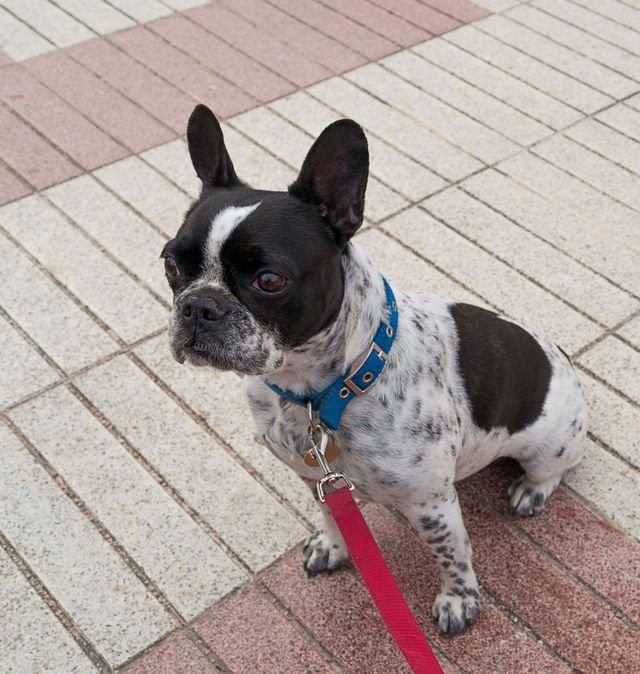
For most dogs, a simple static leash measuring between four and six feet is the gold standard. This length gives your dog enough room to move comfortably while keeping them close enough for safe navigation on sidewalks, trails, and busy neighborhoods.
A quality nylon leash offers durability, comfort, and predictable handling. Reflective materials are an added benefit for early morning or evening walks, increasing visibility for both you and your dog.
One leash we like is the Max and Neo Reflective Nylon Leash. It's sturdy enough for dogs that pull, comes in multiple sizes, and includes reflective stitching for better visibility. As a bonus, every leash purchased results in another leash being donated to an animal shelter.
While there are many quality brands available, features such as durability, comfortable handles, and reflective materials are often more important than the logo on the package.
The Best Leash for Puppy Training
Puppies have a lot to learn, and leash training is one of the first important life skills you'll teach them.
For puppy leash training, choose a lightweight four- to six-foot leash that's comfortable for both you and your puppy. Your goal isn't simply to get from point A to point B—it's to teach your puppy to walk beside you, respond to gentle leash guidance, and develop confidence in new environments.
Keep early training sessions short and positive. Reward your puppy frequently for walking with a loose leash instead of pulling ahead.
Avoid introducing retractable leashes during this stage. Puppies quickly learn that pulling creates more distance with retractable leashes, which work against the loose-leash walking habits you're trying to build.
The Best Leash for Dogs That Pull
One of the most common questions dog trainers hear is, "What's the best leash for a dog that pulls?"
The answer may surprise you.
No leash alone stops pulling.
Many products promise to eliminate leash pulling instantly, but lasting improvement comes from teaching your dog how to walk politely. The leash simply provides consistent communication throughout that learning process.
A sturdy four- to six-foot static leash gives you the best control and the clearest feedback. Because the leash length remains consistent, your dog receives predictable information about where you are and what you're asking.
If your dog consistently pulls toward squirrels, other dogs, or interesting smells, focus on training rather than searching for a miracle piece of equipment. Loose-leash walking is a learned behavior that improves with repetition, timing, and rewards.
One type of leash we generally don't recommend for leash-pulling dogs is a bungee leash. Although these products are marketed as shock absorbers, the stretch often encourages dogs to lean into the tension, making pulling more rewarding instead of less.
Choosing a Leash for Reactive Dogs
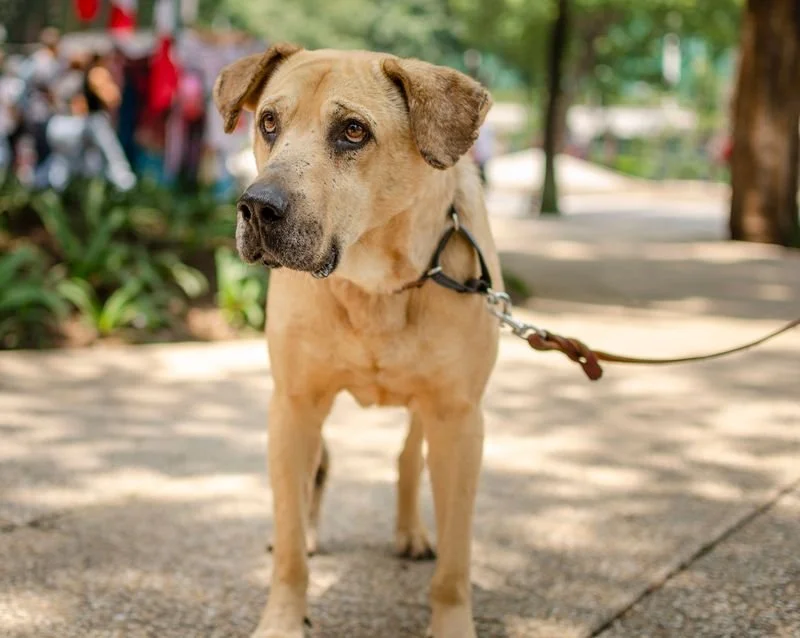
Dogs that bark, lunge, or become overly excited around other dogs or people require thoughtful equipment choices.
For reactive dog training, consistency matters. A standard four- to six-foot leash gives you predictable communication while allowing you to maintain a safe working distance from triggers.
Retractable leashes often create problems in these situations because the constantly changing leash length makes it harder to control your dog's position or respond quickly if another dog suddenly appears.
Likewise, bungee leashes can increase frustration by allowing your dog to repeatedly surge forward.
Remember that leash selection is only one part of treating leash reactivity. Building emotional control, teaching alternative behaviors, and gradually changing your dog's response to triggers are the real goals of a successful reactive dog training program.
Long Lines for Recall Training
When you're teaching reliable recalls, practicing hiking skills, or allowing your dog more freedom in open spaces, a long line is one of the most valuable training tools you can own.
Unlike retractable leashes, long lines provide a consistent working length while still allowing your dog to explore.
A product such as the EzyDog Track 'N' Train Long Line offers approximately 16 feet of working distance along with rubber-woven grips that remain secure even in wet conditions. This makes it easier to safely practice recalls while maintaining control.
Long lines are especially useful for:
Recall training
Hiking
Park practice
Building confidence
Distance obedience exercises
They should always be used in open, safe environments away from roads and heavy traffic.
Hands-Free Leashes for Active Owners
If you enjoy running, hiking, or walking long distances, a hands-free leash can make your outings more comfortable.
The Mountain Dog Products Hands-Free Leash, made from recycled climbing rope, converts between several configurations, including a standard leash, a waist-worn option, and a crossbody carry. This flexibility makes it especially useful for active owners who appreciate having both hands available during outdoor activities.
Hands-free leashes are best suited for dogs that already have solid leash manners. If your dog frequently lunges or pulls unexpectedly, it's usually better to establish good leash skills before switching to a waist-mounted system.
When Retractable Leashes Make Sense
Retractable leashes often generate strong opinions among dog owners, but they do have appropriate uses.
In large, open areas free from heavy distractions, a quality retractable leash, such as one made by Flexi, can give your dog more room to explore while still allowing you to maintain control with the locking mechanism.
However, retractable leashes are generally poor choices for:
Busy sidewalks
Neighborhood walks
Crowded parks
Dogs that pull
Reactive dogs
Formal obedience training
Because the leash is almost always under slight tension, many dogs learn that pulling is normal. That's the opposite of what we want during loose-leash training.
If you choose to use a retractable leash, reserve it for wide-open environments where safety risks are minimal and your dog already has reliable manners.
Leashes We Generally Don't Recommend for Training
Every piece of equipment has a purpose, but some leash styles create unnecessary challenges during training.
Bungee Leashes
As mentioned earlier, stretchy leashes create inconsistent feedback. Instead of teaching your dog to maintain a loose leash, they often reward pulling by allowing your dog to continue moving forward.
Extra-Long Standard Leashes
A standard leash that's much longer than six feet can make it difficult to communicate clearly in neighborhoods or crowded areas. Excess slack also increases the chances of tangles and delayed responses.
Cheap, Poorly Constructed Leashes
Weak hardware, thin stitching, or uncomfortable handles aren't just inconvenient—they can become safety hazards if a leash fails unexpectedly. Investing in a quality leash is well worth the additional cost.
Remember: The Leash Isn't the Trainer
Dog owners often spend hours researching equipment while overlooking the most important part of the process: training.
The right leash supports clear communication, but your dog's behavior improves because of consistent practice, rewards, timing, and guidance—not because of the leash itself.
Whether you're working on loose-leash walking, puppy training, recalls, or reactive dog behavior, your success depends far more on your training approach than on the equipment you purchase.
If your dog struggles with pulling, lunging, barking at other dogs, or ignoring you during walks, professional training can help you build the skills to achieve lasting change.
Final Thoughts
Choosing the best dog leash for training doesn't have to be complicated.
For everyday walks, a sturdy four- to six-foot static leash is the best choice for most dogs. Long lines are excellent for recall training, hands-free leashes work well for active owners with well-trained dogs, and retractable leashes are best reserved for open spaces where additional freedom is appropriate.
Most importantly, remember that no leash is a substitute for good training. The right equipment makes learning easier, but it's consistent practice that creates calm, enjoyable walks.
If you're struggling with leash pulling, leash reactivity, or teaching your puppy good walking habits, the trainers at Canine Sports Dog Training can help you build the skills that make every walk more enjoyable for both you and your dog.
Frequently Asked Questions
What is the best dog leash for training?
For most dogs, a sturdy four- to six-foot static leash offers the best combination of control, communication, and safety during everyday training.
What length of leash is best for leash training?
A leash between four and six feet long allows your dog enough freedom to move naturally while keeping them close enough for effective communication during training.
Are retractable leashes good for training?
Generally, no. Retractable leashes encourage dogs to maintain tension on the leash and are better suited for open areas with dogs that already have reliable leash manners.
What leash should I use for a dog that pulls?
A fixed-length leash is usually the best choice. While no leash alone will stop pulling, a standard leash provides the consistent feedback needed during loose-leash training.
What leash works best for reactive dogs?
Most professional trainers recommend a standard four- to six-foot leash because it allows consistent handling and helps maintain safe distances from triggers.
What is a long line used for?
Long lines are commonly used for recall training, hiking, distance obedience, and allowing dogs to safely explore while remaining under control.
Are bungee leashes good for dog training?
In most cases, no. Because they stretch under tension, bungee leashes can unintentionally encourage pulling and make communication less consistent.
How often should I replace my dog's leash?
Inspect your leash regularly for frayed stitching, worn material, cracked handles, or damaged hardware. Replace it immediately if you notice signs of wear that could compromise safety.