Why Exercise Might Be Making Your Dog More Hyper
You are trying to be a responsible dog owner.
You walk your dog. You play fetch. You send them to daycare. You buy puzzle toys. You take them to the park. You try to “get their energy out” so they can finally relax.
And somehow, your dog is still acting like they swallowed a car battery.
Maybe they come home from a long walk and immediately start zooming around the house. Maybe fetch turns them into a screaming goblin. Maybe daycare days end with barking, pacing, humping, jumping, or total evening chaos.
So you do more.
Longer walks. More play. More outings. More stimulation.
But your dog does not get calmer. They get fitter. And sometimes, they get even more wound up.
If your dog seems hyper after exercise or cannot settle after an active day, the answer may not be even more activity. Your dog may need a better balance of physical exercise, mental work, structure, and recovery.
Can Too Much Exercise Make a Dog Hyper?
For some dogs, too much high-arousal activity can contribute to behavior that looks hyperactive or out of control.
Exercise is important for a dog's physical and mental health. But exercise doesn't automatically teach a dog to settle, manage excitement, or make good choices when they are stimulated.
This is particularly important for adolescent and high-energy dogs. Constant high-intensity activity can build physical endurance without building the skills needed to calm down afterward.
The result? Your dog may be physically tired but still mentally wound up.
A tired dog is not always a calm dog. Sometimes a tired dog is just a tired maniac.
Signs Your Dog May Be Overstimulated
An overstimulated dog does not always look tired. In fact, they may look like they need even more exercise.
Signs can include:
zooming around after exercise
excessive barking or whining
jumping or mouthing
difficulty settling or sleeping
pacing around the house
demanding constant attention or play
becoming increasingly frantic during fetch
difficulty disengaging from toys
seeming wilder after daycare
reacting more strongly to everyday sights or sounds
The important thing is to watch what happens after an activity.
Does your dog come home able to drink some water, settle, and rest? Or do they spend the next two hours pacing, barking, grabbing things, and looking for their next activity?
Your dog's behavior afterward can tell you a lot about whether an activity helps them regulate or just winds them up further.
The “Tire Them Out” Trap
Many dog owners are told, “A tired dog is a good dog.”
That sounds helpful until you are living with a young dog who can hike, wrestle, chase a ball, run laps, and still come home ready to redecorate your house with their teeth.
The problem is that exercise and training aren't the same.
Exercise burns energy. Training builds skills.
If your dog does not know how to settle, wait, disengage, walk politely, relax around movement, or make good choices when excited, exercise alone will not magically install those skills.
It may just give your dog better stamina for nonsense.
That is why continually increasing exercise isn't always the best answer for a high-energy dog. You can accidentally create a fitter dog who still has no idea what to do when nothing exciting is happening.
Your Dog May Not Be Under-Exercised. They May Be Over-Aroused.
This is especially common in adolescent dogs.
Young dogs often have big feelings, fast bodies, and very little emotional regulation. They can get excited quickly, but they may not know how to come back down.
That is why some dogs seem worse after:
intense games of fetch
daycare
wrestling with other dogs
long, chaotic walks
dog parks
busy patios
high-energy play sessions
crowded or overstimulating outings
The activity itself is not necessarily the problem. The question is how your individual dog handles it.
If your dog comes out of an activity more frantic, mouthy, demanding, barky, reactive, or unable to rest, that is useful information.
Their body may be tired while their brain is still running at full speed.
Why Is My Dog Hyper After Exercise?
Dogs do not automatically transition from high excitement to relaxation just because an activity has ended.
Think about a game of fetch. Your dog runs, chases, grabs, returns, anticipates the next throw, and repeats. For a dog who finds the game extremely exciting, each repetition can keep that arousal going.
Then the ball disappears.
Your dog may be physically tired, but they have not necessarily practiced calming themselves down.
The same thing can happen after daycare, dog parks, intense play, or a busy outing. Some dogs transition easily from activity to rest. Others need help learning how to make that transition.
That is where training and recovery become part of the exercise plan.
Fetch Monsters, Daycare Hangovers, and the Fit Maniac Problem
Some dogs do not get tired in a useful way.
They get amped.
A dog who plays fetch every day may not become calmer. They may get better at sprinting, faster at demanding the ball, and more frustrated when the game ends.
A dog who spends all day in chaotic group play may not come home peaceful. They may come home exhausted but still wired, like a toddler after a birthday party.
A high-drive young dog who gets constant stimulation may not learn how to relax. They may learn that life is supposed to be action, action, action, crash, repeat.
That is not balance. That is an arousal roller coaster. And a lot of dogs are terrible drivers.
What to Do Instead of Just Exercising Your Dog More
You do not need to stop exercising your dog.
You need to stop making exercise the entire plan.
Add Structure to Movement
Instead of turning every walk into a sniff-pull-chaos parade, build in small training moments.
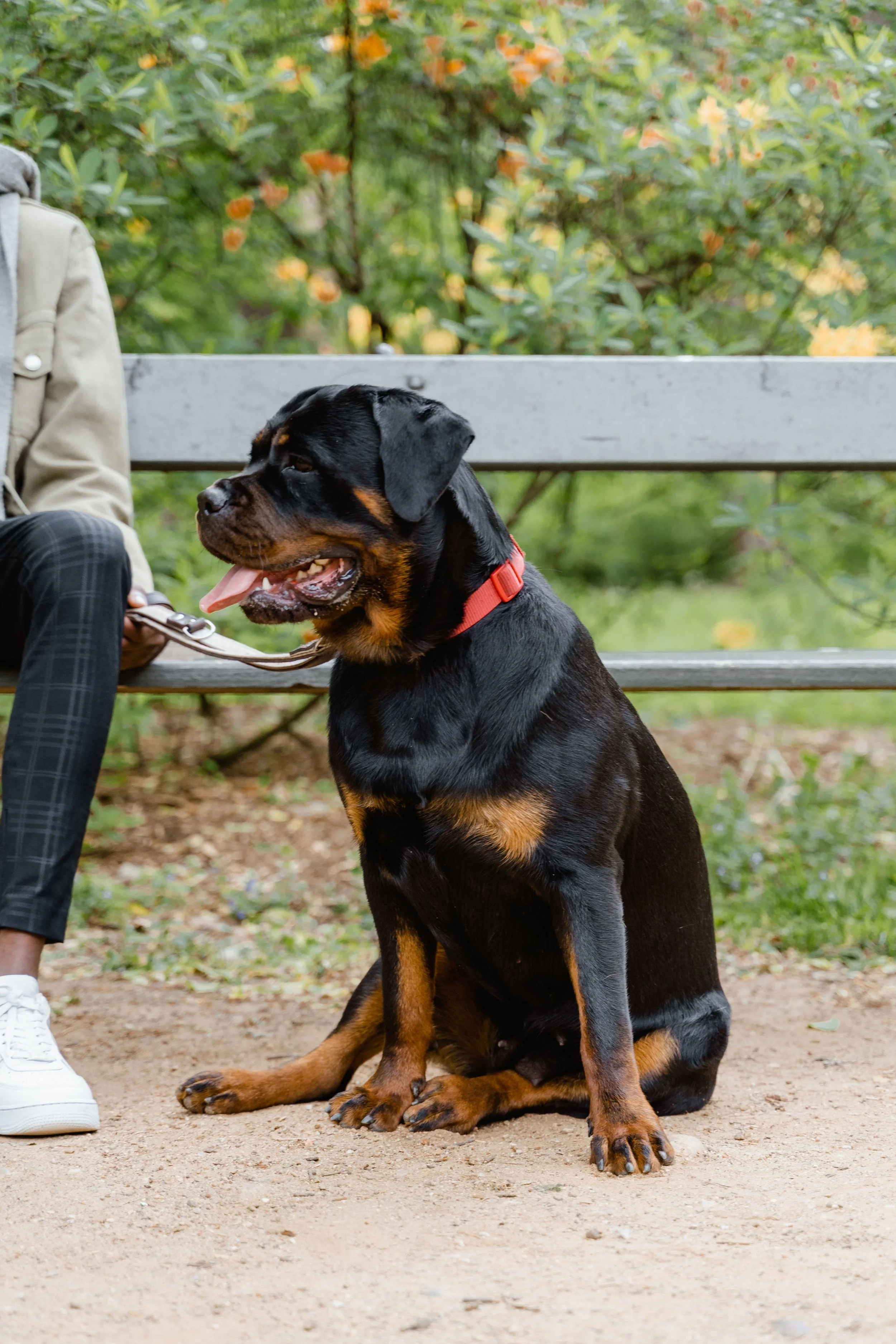
Practice checking in, changing direction, waiting at curbs, settling on a bench, walking past distractions, or taking a break before your dog tips into full gremlin mode.
The goal is not to make walks boring.
The goal is to teach your dog that movement and self-control can exist in the same body.
Teach Your Dog How to Come Down
After activity, help your dog transition into calm.
That might mean quiet time, a crate break for a dog who is comfortable in a crate, relaxing on a place cot, a chew, or simply reducing access to exciting activities for a while.
Think of recovery as part of the activity, not something that happens only when your dog runs out of steam.
Do not wait until your dog is already ricocheting off the furniture to think about settling.
Build the off-switch before you need it.
Reward Boring Behavior
If your dog lies down after a walk, notice it.
If they watch the world quietly, reward it.
If they disengage from a toy, take a breath, or choose not to scream at you for entertainment, pay that dog.
Many owners naturally pay attention to their dogs when they're doing something — barking, jumping, stealing, demanding play — while peaceful behavior goes unnoticed.
Start noticing the quiet choices too.
Calm behavior does not happen automatically for every young dog. You can teach, practice, and reinforce it.
Choose Better Outlets
Some dogs need more than “go run around.”
They may benefit from a mix of physical exercise and brain-engaging activities that don't constantly ramp up excitement.
Depending on the dog, that could include structured training, decompression walks, scent work, body-awareness exercises, impulse-control games, appropriate chewing, calm social exposure, and real-life training.
Especially for adolescent dogs, working breeds, sporting dogs, herding dogs, and high-drive mixes, the goal is not simply to drain the battery.
The goal is to build a dog who can use their brain without losing their mind.
Build in Recovery
Rest should be part of your dog's routine.
If you fill every open space in the day with another walk, game, outing, puzzle, play session, or social activity, some dogs never get much practice simply doing nothing.
That practice matters.
A dog that can settle while you work, relax after a walk, nap after an outing, or watch something interesting without needing to participate has learned useful real-life skills.
You are not failing your dog by giving them downtime.
When to Get Help With a Hyper or Overstimulated Dog
If your dog gets plenty of exercise but still feels impossible to live with, more exercise may not be the missing piece.
It may be time to get professional training help if your dog:
gets wilder after walks or play
cannot settle after exercise
demands constant entertainment
barks, mouths, jumps, or paces when tired
comes home from daycare overstimulated
gets obsessive about fetch or toys
seems physically fit but constantly frantic
struggles to disengage from exciting things
needs more structure than you can realistically provide alone
That does not mean your dog needs to stop being active.
It means your dog may need help learning how to regulate, not just how to run.
Adolescent Dog Training in Chicago
At Canine Sports Dog Training, we work with adolescent and young adult dogs who have plenty of energy but not enough off-switch.
Our training focuses on practical, real-life skills: settling, impulse control, leash manners, calm behavior around distractions, better choices, and structured outlets that help your dog function in everyday life.
For dogs living in Chicago, those skills matter. Walks can mean crowded sidewalks, other dogs, traffic, bikes, people, patios, delivery drivers, and plenty of unexpected distractions. A dog needs more than exercise to live in the city. They need the skills to handle it.
If your dog is getting more exercise and somehow becoming more feral, we can help you build a better plan.
Contact us to talk about adolescent dog training options for your dog.
Frequently Asked Questions
-
Some dogs become more wound up after too much high-intensity or stimulating activity. Exercise itself is important, but repeatedly increasing high-arousal activities without enough rest or training may leave some dogs physically tired but mentally overstimulated.
-
An overstimulated dog may struggle to settle, pace, bark, jump, mouth, zoom around the house, demand attention, or react more intensely to things around them. Look at your dog's behavior during and after activities. If they consistently become more frantic instead of settling afterward, you may need to adjust the activity or intensity.
-
Physical fatigue and relaxation are not the same thing. Some dogs need help transitioning from exciting activity to rest. A predictable recovery routine, quieter activities, structured training, and reinforcement for calm behavior can help teach that transition.
-
Daycare can involve hours of social interaction, movement, noise, and excitement. Some dogs handle that well, while others come home physically exhausted but overstimulated. If your dog regularly comes home pacing, barking, jumping, mouthing, or unable to rest, consider whether the frequency, duration, or type of daycare fits that individual dog.
-
Not necessarily. The goal is finding the right balance for your dog. You can combine physical exercise with training, appropriate mental activity, lower-intensity outlets, and adequate rest. If your dog consistently becomes harder to manage as activity increases, a professional trainer can help you evaluate your routine.