Why Your Puppy Suddenly Forgot Their Training
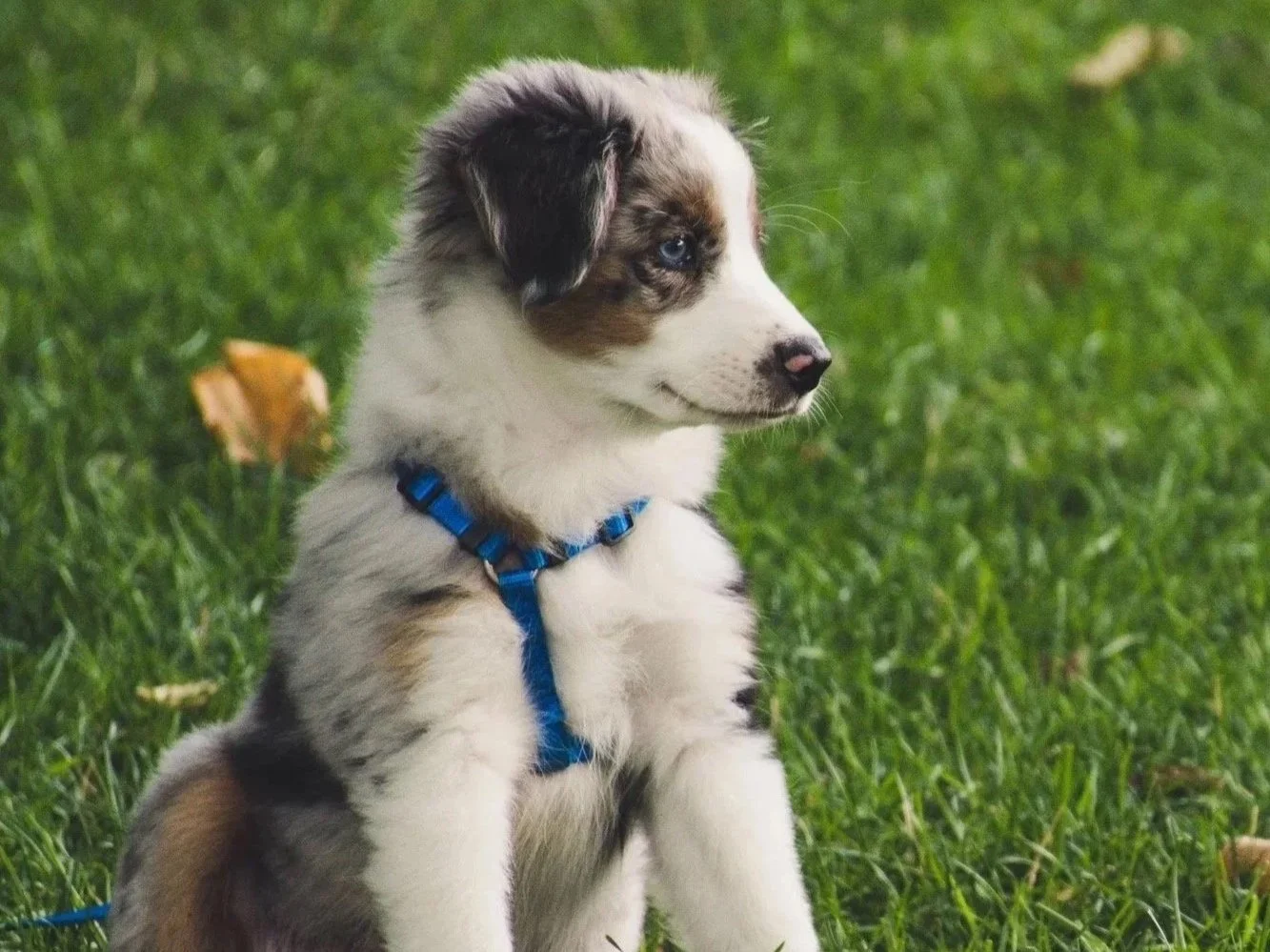
One day, your puppy was cute, bouncy, and mostly cooperative.
Then, seemingly overnight, they became a full-time chaos goblin with legs.
They stopped coming when called. They started jumping again. They are pulling harder on the leash. They are barking at things they used to ignore. They are stealing socks, counter surfing, launching themselves at guests, and acting like they have never heard the word “sit” in their entire life.
So now you are standing in your kitchen wondering:
Did my puppy forget their training?
Probably not.
Most puppies do not truly forget what they learned. More often, they are entering adolescence, the messy developmental stage when dogs become more independent, distracted, impulsive, energetic, and much more interested in the world around them.
Your puppy did not wake up untrained. Their brain and body have simply moved into the next developmental phase, and the skills that worked in puppyhood now need strengthening for real life.
They may still understand cues like sit, come, down, or leave it. The problem is that those skills are now competing with bigger feelings, stronger impulses, and a much more exciting environment.
That does not mean your puppy training failed.
It means your dog needs the next layer of training.
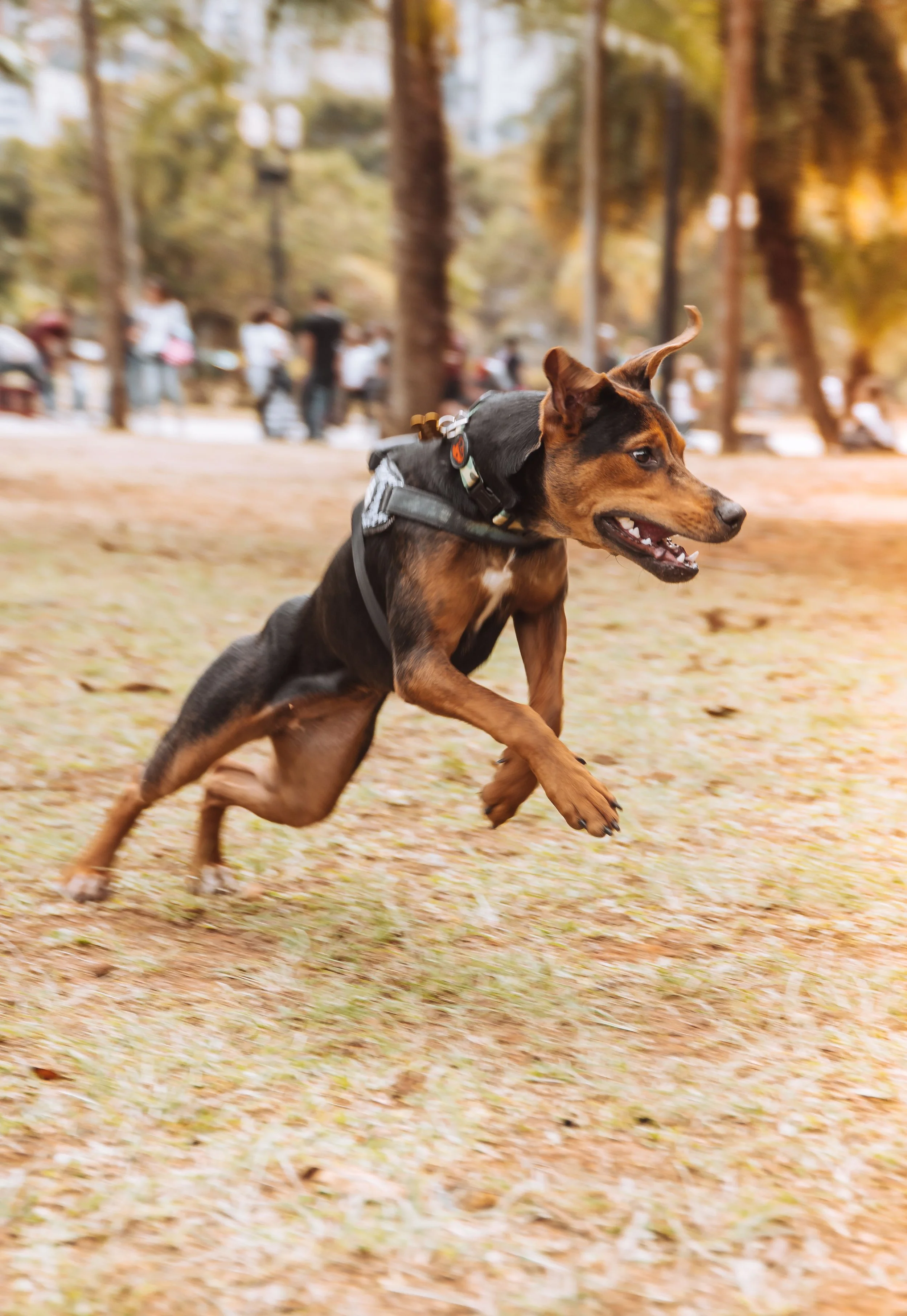
The Teenage Dog Phase Is Real
Adolescence is the awkward middle between puppyhood and adulthood.
For many dogs, adolescence begins somewhere around 6 to 10 months of age and can continue well into young adulthood. When it starts and how long it lasts vary depending on your dog’s breed, size, temperament, development, and life experience.
This is the stage when owners often say things like:
“He used to listen so much better.”
“She knows this. She is just choosing not to do it.”
“He was great in puppy class, but now he is impossible outside.”
“She suddenly has so much more energy.”
“I thought we already trained this.”
And you might have trained it.
But now your dog has to learn how to do it while excited, distracted, bigger, faster, stronger, and more opinionated.
That is a different assignment.
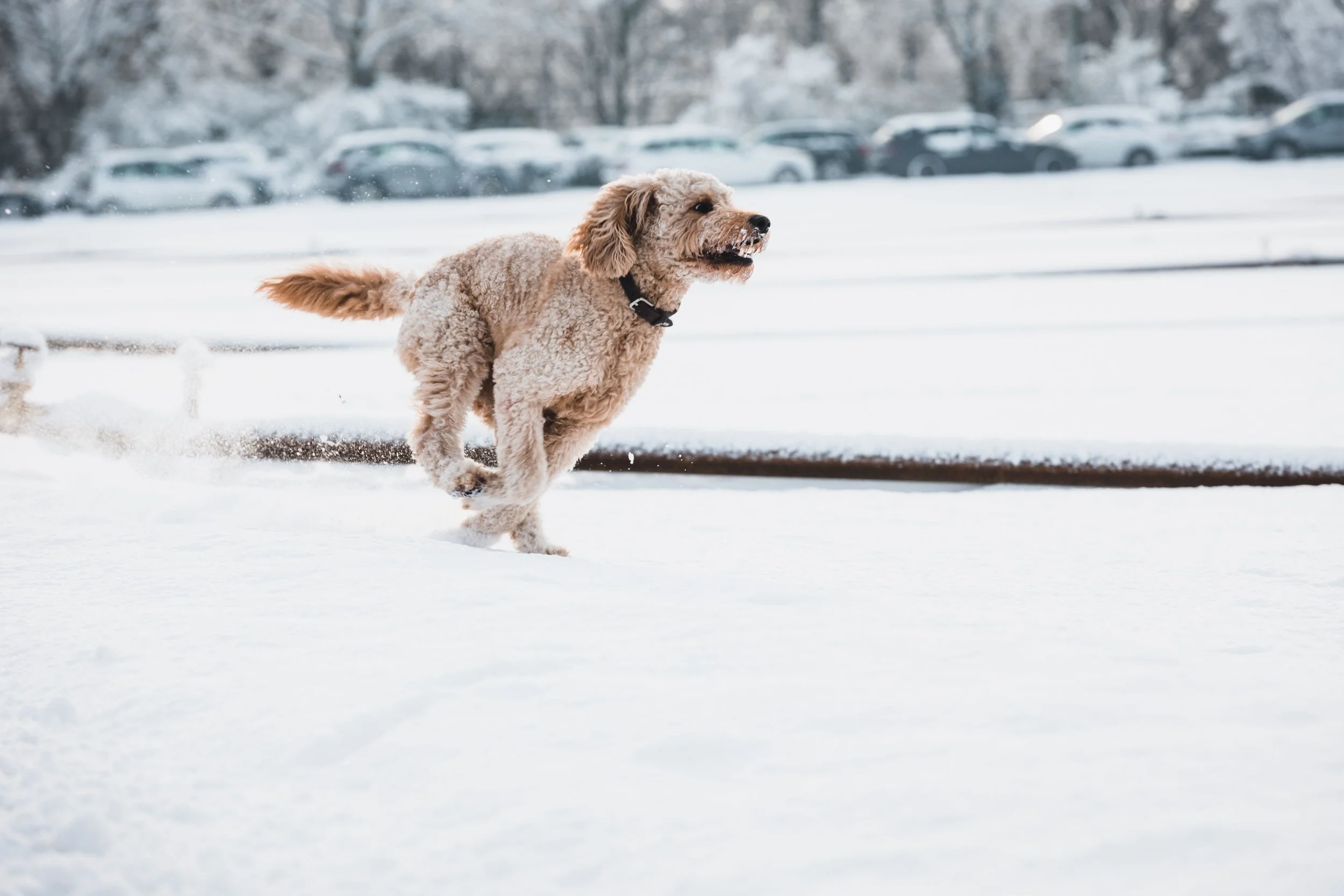
Why Do Adolescent Dogs Seem to Forget Their Training?
Think about what puppy training usually looks like.
Your puppy learns to sit in the kitchen. Come in the hallway. Take treats in class. Walk nicely for half a block. Settle when they are already tired.
That is a great start.
Knowing a behavior in one setting does not automatically mean a dog can perform it everywhere. As your puppy enters adolescence, distractions become more interesting, and their world gets much bigger.
Now the question becomes:
Can your dog come when called when a squirrel is around?
Can they walk politely when another dog is across the street?
Can they keep four feet on the floor when your friend walks in?
Can they settle after activity instead of escalating into evening demon mode?
Can they listen outside your house, not just inside it?
This is where many young dogs struggle. They learned the basic skill, but they haven't yet learned how to use it in the middle of real life.
And real life is the whole point.
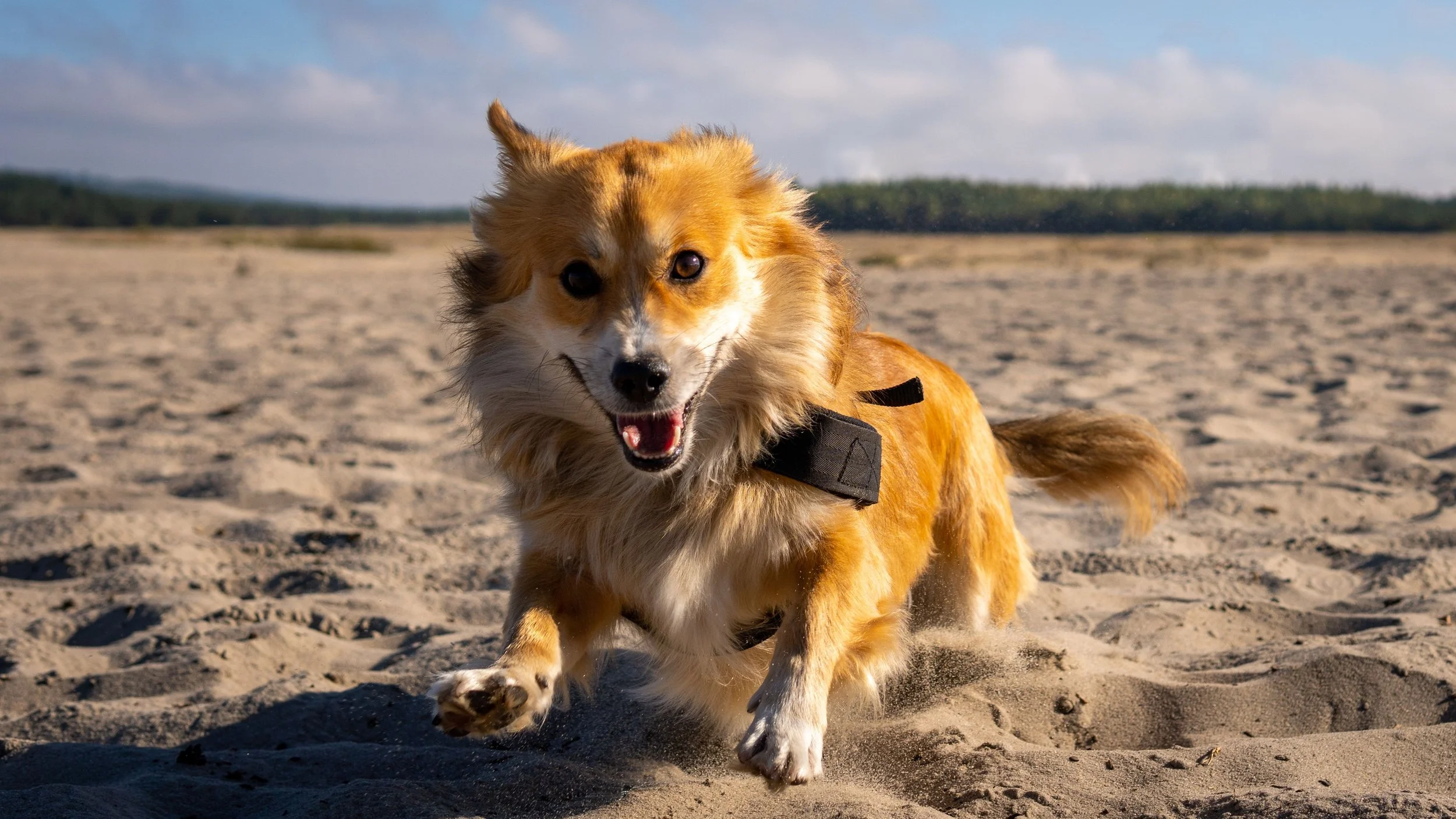
Is Puppy Training Regression Normal?
It can certainly feel like regression. A behavior that seemed reliable a month ago may suddenly become inconsistent.
But rather than thinking of adolescence as your dog going backward, it is more useful to think of it as a new level of difficulty.
Your dog is changing physically and behaviorally. Their environment also gives them more to pay attention to. Other dogs, people, smells, noises, movement, food on the sidewalk, wildlife, and everything else happening around them can suddenly compete much more effectively for their attention.
The foundation you built during puppyhood still matters. Now you need to build on it.
That may mean temporarily making things easier, adding more structure, practicing skills around controlled distractions, and rewarding behaviors that seemed automatic a few months ago.
You are not starting over. You are teaching your dog how to use those skills under harder conditions.
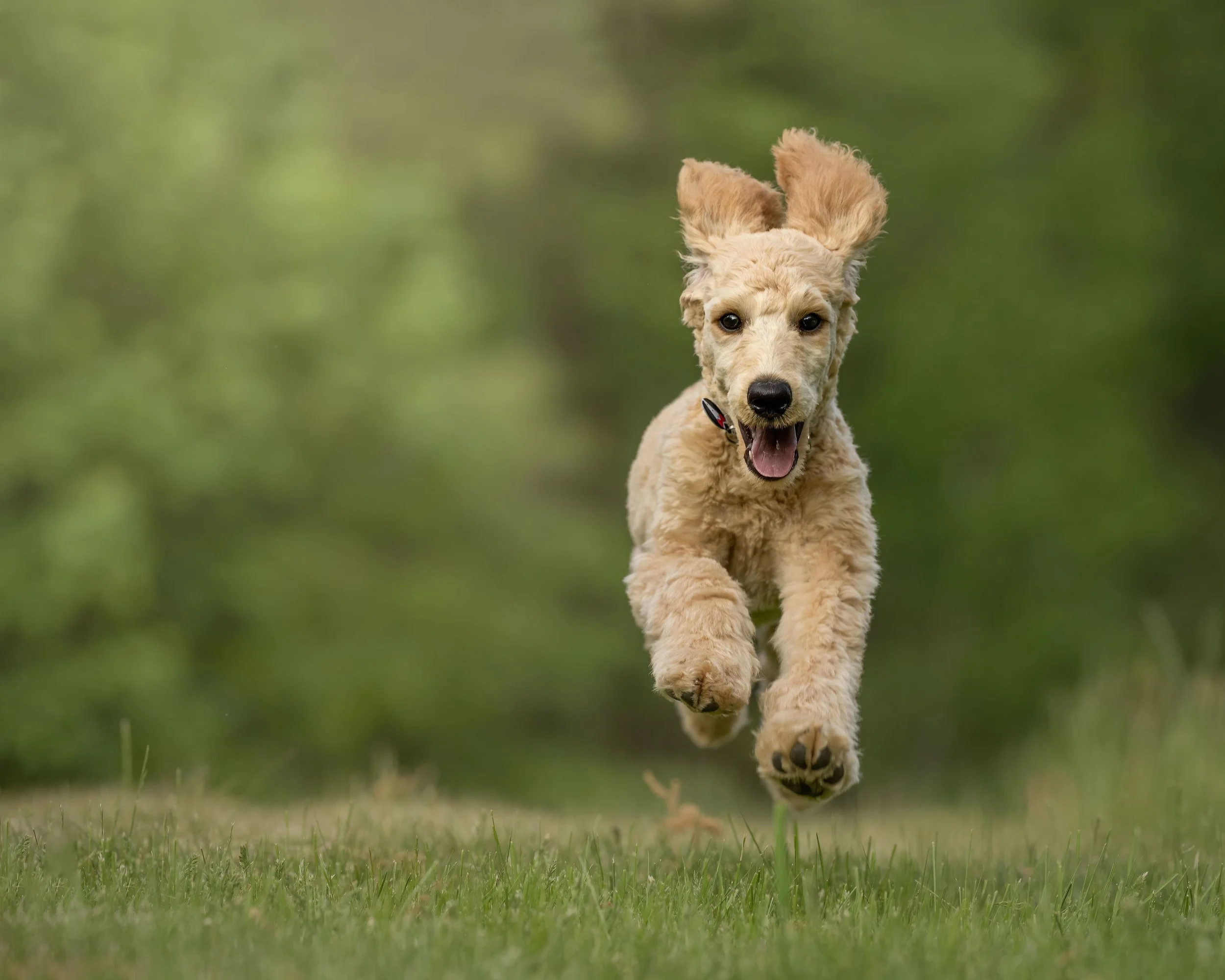
What Not to Do With a Teenage Dog
One of the biggest mistakes is assuming your dog is “just being stubborn” and then repeating yourself until everyone is frustrated.
If you say “come” seven times and your dog comes on the eighth, you did not strengthen recall. You taught your dog that the first seven times are optional background noise.
The second big mistake is giving too much freedom too soon.
A puppy seems good for a while, so the crate disappears. The leash rules get loose. The dog gets more unsupervised time at home. Recall gets trusted too early. Household boundaries get fuzzy.
Then adolescence hits, and suddenly your dog has the body of an athlete, the judgment of a raccoon, and access to the whole house.
That is not a training plan. That is a documentary waiting to happen.
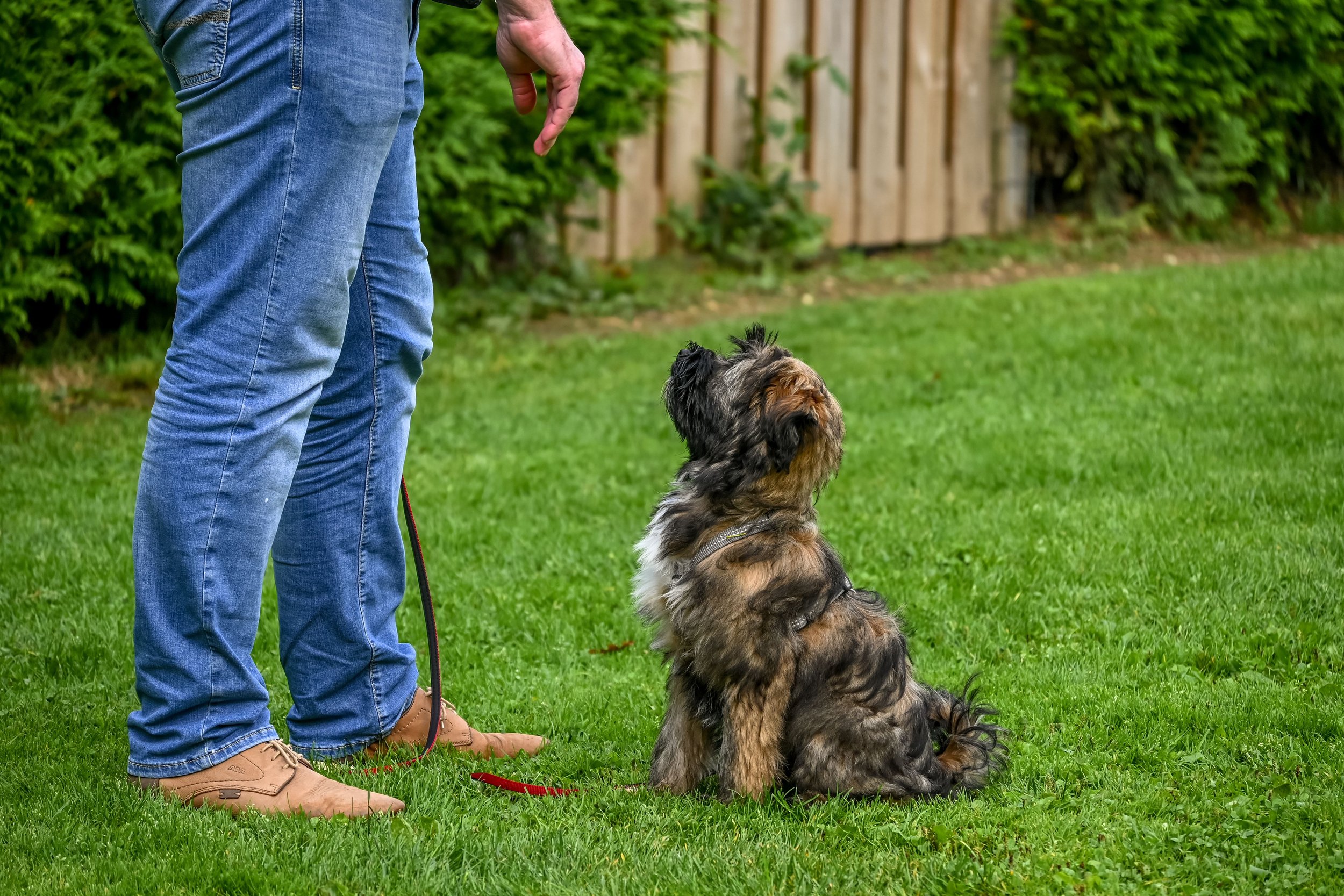
What to Do Instead
Bring Back Structure
Structure is not punishment. It is support.
If your adolescent dog is stealing things, counter surfing, jumping, ignoring you, or making bad choices when unsupervised, they may need less freedom for now.
Use gates, crates, leashes, routines, and supervision to prevent the behaviors you do not want while you rebuild the behaviors you do want.
Preventing your dog from practicing unwanted behavior is part of training. Every successful counter-surfing expedition or stolen-sock chase can make that behavior worth trying again.
Make Your Cues Count
Say the cue once. Help your dog follow through. Reward the behavior you want.
If your dog cannot respond successfully, the situation may be too difficult for their current skill level. Move farther away from the distraction, simplify the task, or practice somewhere easier.
That is useful information, not failure.
The goal is not to prove that your dog “knows” something. The goal is to build a behavior that becomes reliable in more and more situations.
Practice in Easier Versions of Real Life
Your living room is not the final exam.
If your dog can listen inside but not outside, build the bridge gradually: quiet rooms, the yard, front steps, quiet sidewalks, busier sidewalks, parks, guests, dogs, bikes, strollers, and all the other weird little challenges of city life.
For Chicago dogs, this matters.
A dog who can focus perfectly in your kitchen may still struggle on a busy sidewalk, near a patio, or in a neighborhood full of dogs, kids, delivery drivers, traffic, and discarded chicken bones.
They are not hopeless. They need practice where life actually happens.
Reward Calm Like It Matters
Many young dogs get attention when they are being ridiculous and get ignored when they're calm.
Flip that.
Reward your dog for lying down, disengaging from distractions, watching the world quietly, choosing not to jump, and relaxing after activity.
Do not wait for chaos before interacting with your dog. Notice the behavior you want more of.
Calm is a skill.
Adjust Your Expectations
Your adolescent dog may look nearly grown, but that does not mean they have adult-level self-control.
This is particularly important with larger dogs. A 60-pound adolescent dog can look like an adult while still behaving very much like a youngster.
Expect progress to be uneven. Your dog may have a great week followed by a terrible walk. They may be perfect around one distraction and completely lose their mind around another.
Consistency matters more than perfection.
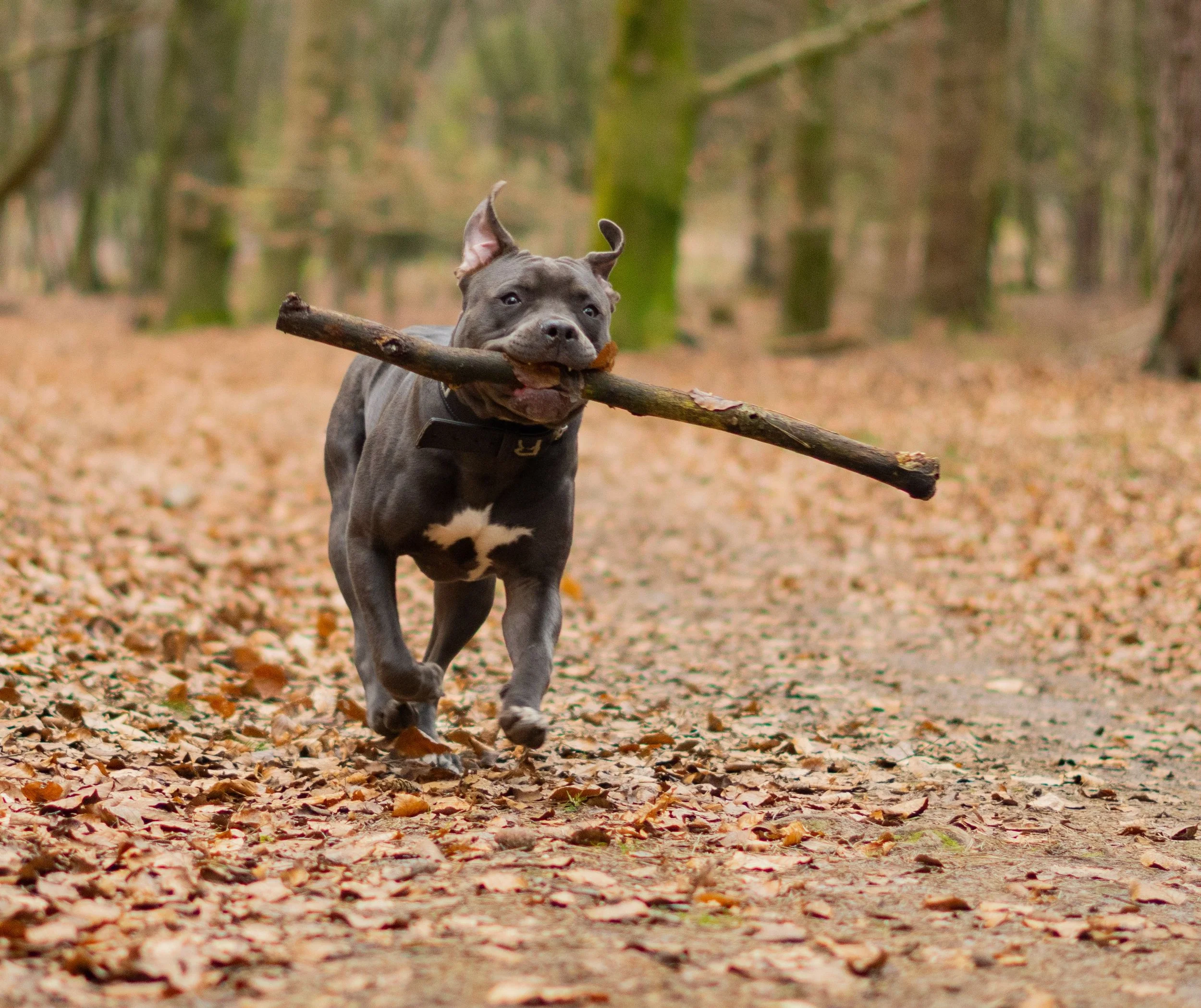
How Long Does the Teenage Dog Phase Last?
No single age marks when every dog suddenly becomes an adult.
Some dogs move through adolescence relatively quickly. Others continue showing adolescent behavior well into young adulthood. Breed, size, individual temperament, training history, and environment can all affect the timeline.
More importantly, do not wait for your dog to simply “grow out of” unwanted behavior.
Development may make some things easier with time, but behaviors your dog repeatedly practices can become habits. If your dog spends months pulling toward other dogs, jumping on visitors, ignoring recall, or successfully counter surfing, age alone may not solve the problem.
Training during adolescence helps your dog learn what you want instead.
When to Get Help With Your Adolescent Dog
You do not need to wait until your dog is unbearable to get help.
Adolescence is a useful time to train because your dog is old enough to handle more real-world learning but still young enough that many habits are very changeable.
It may be time for professional adolescent dog training if your young dog is:
harder to walk than they used to be
jumping on guests or family members
ignoring recall
barking more than before
struggling to settle at home
stealing things or counter surfing
overwhelming kids, guests, or other pets
unable to focus around everyday distractions
making daily life feel more stressful than fun
You do not need a “bad dog” to justify training.
You need a young dog whose skills have not caught up to their body, energy, and environment yet.
That is exactly what adolescent dog training is for.
Adolescent Dog Training in Chicago
At Canine Sports Dog Training, we work with adolescent and young adult dogs who are smart, social, intense, distracted, impulsive, hilarious, embarrassing, and deeply loved.
In other words: normal teenage dogs with real-life problems.
Our adolescent dog training focuses on practical skills your dog can actually use outside your living room, including leash manners, recall, settling, household manners, guest greetings, impulse control, and confidence in real Chicago environments.
If your puppy was easy and your adolescent dog is making daily life harder, we can help you build the next layer.
Contact us to talk about adolescent dog training options for your dog.
Frequently Asked Questions About Adolescent Dog Training
Why is my puppy suddenly not listening anymore?
A puppy who suddenly seems to stop listening may be entering adolescence. During this developmental stage, dogs often become more distracted, energetic, independent, and interested in their surroundings. They usually haven't forgotten their training, but they may need more practice using those skills around real-world distractions.
What age do dogs go through adolescence?
Many dogs begin showing adolescent behavior around 6 to 10 months old, although the timing varies by breed, size, temperament, and individual development. Adolescent behavior can continue into young adulthood, especially in dogs that mature more slowly.
Is it normal for puppy training to regress?
Yes, previously learned behaviors can become less consistent during adolescence. Rather than assuming your dog has forgotten everything, return to structured practice and gradually rebuild those skills around distractions. Think of it as increasing the difficulty of the training rather than starting over.
Why is my teenage dog suddenly pulling, jumping, or barking more?
Adolescent dogs may have more energy, stronger reactions to their environment, and less consistent impulse control than they did as younger puppies. As they become bigger and stronger, behaviors such as pulling, jumping, and barking also become much more noticeable. Training should focus on teaching and rewarding the behavior you want while preventing repeated practice of unwanted behaviors.
Should I take my adolescent dog back to training?
If everyday behaviors such as leash pulling, jumping, poor recall, barking, stealing, or difficulty settling are becoming harder to manage, additional training can help. Adolescent dog training builds on puppy skills and teaches dogs how to use those skills around the distractions and challenges they encounter in everyday life.